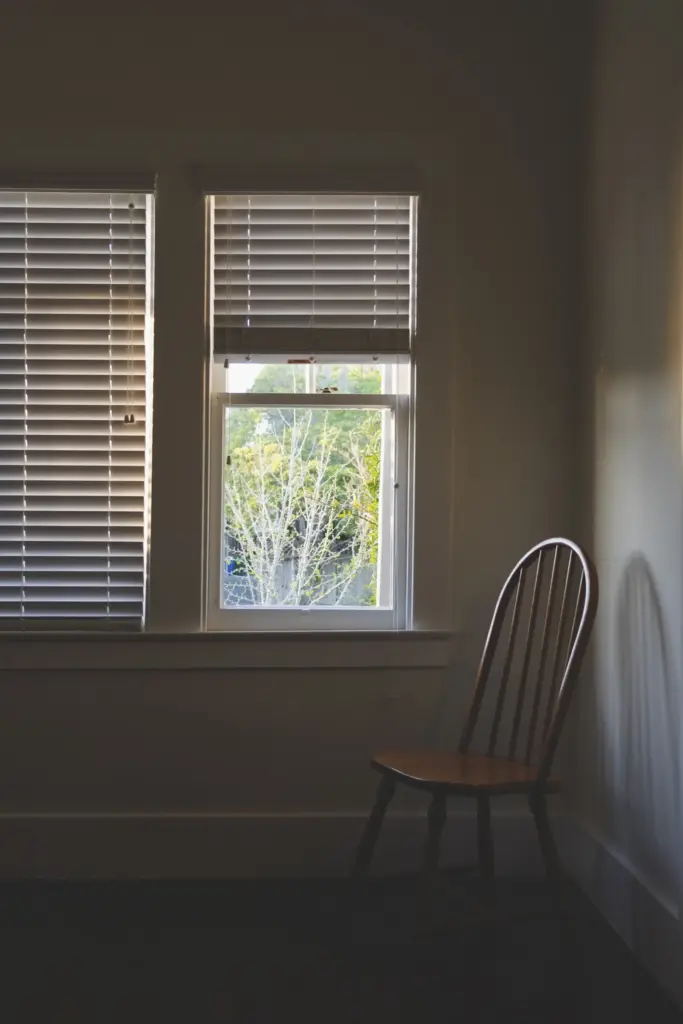
Bringing the Sky Indoors: Skylights, Light Shelves, and Clerestories

Today we dive into skylights, light shelves, and clerestories, architectural features that invite generous daylight while taming glare and heat. Expect practical guidance, vivid stories, and evidence-based rules to help you design sunlit rooms that feel restorative, efficient, and welcoming, then share your questions, sketches, or experiences so our community can learn together.

Light That Lifts Mood and Focus

Daylight changes how rooms behave and how people feel. With skylights channeling high, cool illumination, light shelves bouncing sunbeams deeper across ceilings, and clerestories washing walls with soft brightness, interiors gain calm contrast, truer colors, and fewer dark corners. These strategies can support alert mornings, steady afternoon focus, and quieter evenings without relying on harsh electric light or heavy-handed window treatments.

Aligning Body Clocks With Daylight

Morning light with strong blue content helps anchor circadian rhythms, supporting earlier sleep and clearer daytime energy. Skylights can capture that high-quality sky vault glow, while clerestories admit stable ambient light without direct glare. Paired with light shelves that push illumination deeper, occupants experience balanced brightness gradients that reduce fatigue and improve visual comfort throughout changing seasons.

Comfort Without Squinting

Great daylight is as much about what you block as what you invite. Ceiling apertures benefit from diffusers, interior splays, and matte white reveals; clerestories love deep overhangs; light shelves thrive with high-reflectance finishes. Together they distribute luminance gently, preserve outside views where desired, and reduce the need for blinds that often remain closed after a single blinding afternoon.

Mapping Directions and Daily Changes

Begin with a simple site sketch noting true north, seasonal sunrise and sunset points, roof slopes, and obstructing elements. Place potential roof openings where they see clean sky, aim high windows to catch calm northern luminance, and use light shelves on sunnier facades. A few hours outside watching shadows can prevent years of glare and underperforming daylight inside.

Hot Summers, Cold Winters, Cloudy Mornings

In hot climates, prioritize exterior shading, selective glazing, and insulated curbs to keep gains manageable. In cold regions, chase winter sun with careful aperture sizing and warm-edge frames, guarding against condensation. Under persistent clouds, diffusing skylights and clerestories excel, while light shelves still help by brightening ceilings and pulling usable luminance deeper, even without sharp sunbeams.

Proportions That Carry Daylight Deep Indoors

Balanced dimensions matter more than bravado. Modest skylight area relative to floor area often works best, while reflective ledges need thoughtful depth and placement to push light across ceilings. High window bands should sit above direct eye level, inviting glow rather than glare. Use simple ratios as starting points, then refine through quick models, measurements, and mockups.

Rules of Thumb That Hold Up

Consider roof openings totaling roughly five to ten percent of floor area for general spaces, less in hot climates. Start reflective ledges at or slightly above seated eye level and extend them a practical depth to catch sun. Raise high window bands to wash walls rather than pierce eyes. Treat these numbers as sketches, then test and adjust locally.

Depth, Splay, and Bounce Surfaces

Interior reveals that widen toward the room reduce harsh edges and help spread luminance. Matte white ceilings with high reflectance become quiet engines of daylight distribution. The depth of a reflective ledge, combined with its finish brightness, determines how far light travels before softening, while a carefully placed high window band can illuminate far walls with calm consistency.

Materials, Coatings, and Finishes That Shape Light

Glass and plastics are not created equal. Visible transmittance, solar heat gain, low-iron clarity, and surface textures all influence brightness, color fidelity, and comfort. Diffusing lenses calm harsh patches under roof apertures; prismatic layers redirect beams; bright, durable finishes on ledges and ceilings extend reach. Choose combinations that honor both climate realities and design intent.


Details That Keep Weather Out

Inviting the sky does not mean inviting rain. Good curbs, trustworthy flashings, careful sealants, and thermal breaks separate comfort from calamity. Interior condensation control matters too, especially where seasons swing. Attend to drainage, expansion, and compatibility of metals and membranes. Solid details let generous daylight pour in without water, drafts, or unexpected acoustic rattles during storms.

Smarter Spaces That Respond to Daylight

Lumalaxinovixaririno
Privacy Overview

This website uses cookies so that we can provide you with the best user experience possible. Cookie information is stored in your browser and performs functions such as recognising you when you return to our website and helping our team to understand which sections of the website you find most interesting and useful.